


Key Takeaways
- Network First, Ads Later: Your initial 10 customers come from smart, consistent outreach to your immediate network, not paid advertising. Research shows that personal referrals convert 2.7x higher than cold leads.
- Trust is the Core Currency: For early software sales, authentic conversations and continuous feedback build trust faster than hard pitching.
- The AI Multiplier for Outreach: Modern AI assistance tools (like Lev8) are crucial for mapping your friends and family and investor networks to identify high-intent, warm leads.
- Actionable Content is King: Focus Content creation on solving user problems and sharing transparent lessons, turning early users into powerful long-term advocates.
- Focus on Value over Features: High-growth startups prioritize user value, feedback, and relationships over product features alone, drastically improving success rates.
Intro to The $0 Startup Playbook
Launching your startup feels exciting until you realize you have a product but no paying users. Most founders face the same early dilemma: a finished product, zero traction, and limited funds.
But good news: your first 10 customers don't have to cost a cent. You already have access to people who trust you, communities that want to help, and digital tools that make lead generation and outreach easier than ever. This guide shows you how to reach those first 10 customers — all at $0 cost — using both human connection and AI-powered GTM tools like Lev8.
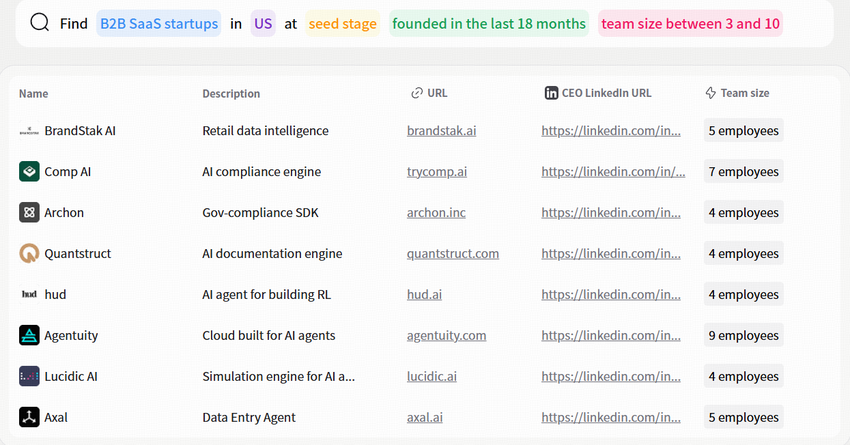
Who You Should Reach

1. The Closest Circle: Friends and Family (The 100% Trust Tier)
Your friends and family and close colleagues are your first product testers and strongest supporters.
The strategy for early customer acquisition is quality over quantity. As Asana's CPO, Justin Rosenstein, noted regarding their initial users in Quora:
"Almost all of [our first ~15 users] are people we are personally close to... We're currently focused on making them really happy with their experience – rounding out the feature set, responding to their feedback, fixing bugs, and improving performance."
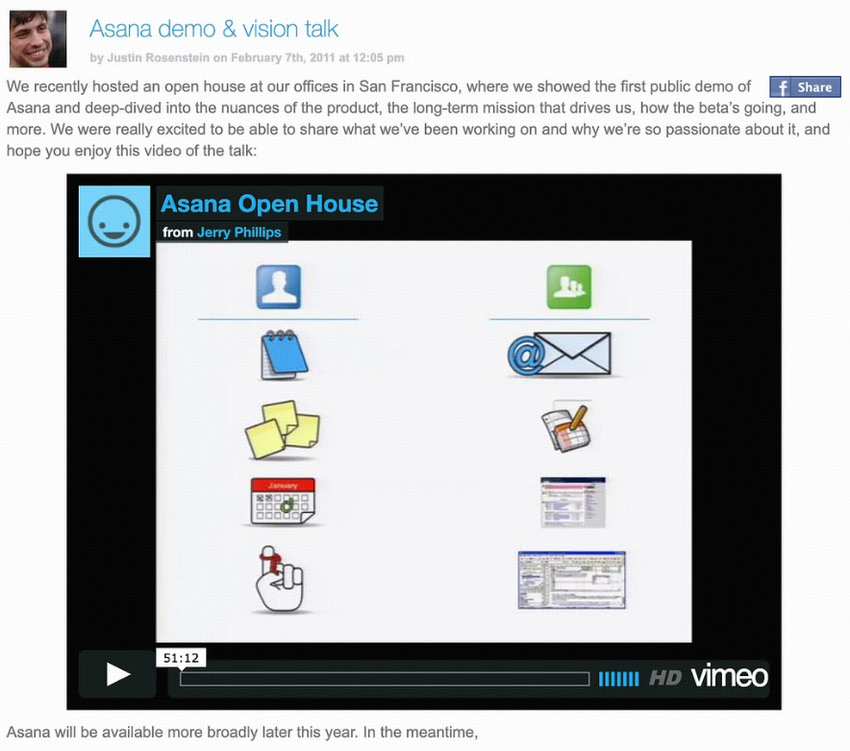
This approach emphasizes that your first customers should be design partners, providing deep feedback and validating the product through a continuous, steady influx of new users, rather than waiting for a "floodgate moment" of mass adoption.
- Strategy: Offer early, exclusive access. Their feedback is invaluable for refining your pitch.
- Data Insight: Companies like Dropbox and Uber successfully used simple referral loops within personal networks to build their initial massive user base.
- Use case: Encourage investors and teammates to share their honest product experience on social media, expanding reach without spending a cent.
2. The Investor's Network (The Warm Introduction Tier)
Investor (or Founder) -led problem-solving is a powerful zero-cost strategy. Plaid CEO and co-founder, Zach Perret, recounts that the company was born out of their own frustration with infrastructure and that they became their first customer.
Their growth was then largely driven by "word of mouth in the developer and product manager community," achieved by "invest[ing] in meeting founders of fintech companies, learning their problems," and actively engaging on forums and at meetups. (source)
- Strategy: Clearly define your Ideal Customer Profile (ICP) and ask investors for introductions.
- AI Assistance: Tools like Lev8 can automatically map and analyze your investors' connections within LinkedIn and email networks to immediately identify the most relevant decision-makers — turning cold leads into warm handoffs.
3. Competitors' Communities (The Pre-Qualified Tier)
Users discussing competitor pain points (in light of an article put forward by ScaleX Ventures) are your highest-intent leads. They already acknowledge the need for your product category.
- Strategy: Locate these users in specialized Slack channels, industry-specific forums, and Reddit threads. Engage in social selling by providing value and subtly positioning your product as a superior alternative.
- Pro Tip: Use community tracking features (like Lev8's chat-based people-finding) to spot active individuals expressing frustration that your product solves.
4. High-Intent Website Visitors
Curiosity is a form of intent. Don't let interested visitors leave anonymously.
- Strategy: Integrate a lightweight visit tracker to identify companies or individuals showing high intent (e.g., repeatedly visiting your pricing page). Use this data to initiate a targeted follow-up conversation.
- Example CTA: "Try the product free — no credit card required. Chat with our founder for a personalized setup."
5. Your Online Followers (The Personal Brand Tier)
Your existing digital audience follows you because they trust your insights and personal branding.
- Strategy: Convert followers into users by sharing transparent product updates, running small challenges, and positioning yourself as a thought leader through Content creation.
How You Can Reach Them
Moving from identifying leads to converting them requires high-touch, targeted methods.
| Outreach Strategy | Method and Goal | Relevance |
|---|---|---|
| Personalized Pitch | Start with your closest network to refine your messaging; offer special "Founding User" recognition. | Build initial trust and gather critical feedback. |
| AI-Powered Introductions | Proactively share your ICP with investors. Use AI assistance to scan their networks and identify overlapping connections for immediate warm intros. | Bypass the "cold call" and increase conversion rates dramatically. |
| Authentic Social Selling | Participate in conversations on platforms like X, Reddit, and LinkedIn. Offer genuine advice before mentioning your solution. | Establishes authority and trust before asking for the sale. |
| Go Offline (High ROI) | Attend relevant industry events and local meetups. A five-minute in-person demo often converts faster than fifty emails. | 40% of face-to-face contacts convert to qualified leads (source: Harvard Business Review). |
| Thought Leadership Content | Leverage Content creation on platforms like LinkedIn and Medium to share lessons and transparently document your journey. | Position yourself as an expert, driving organic lead generation. |
Common Mistakes to Avoid When Getting Your First Customers
As Codeless and other sources show, about 90% of business startups fail, 10% even fail within the first year, and only 10% succeed each year — often because early teams focus on the wrong things.
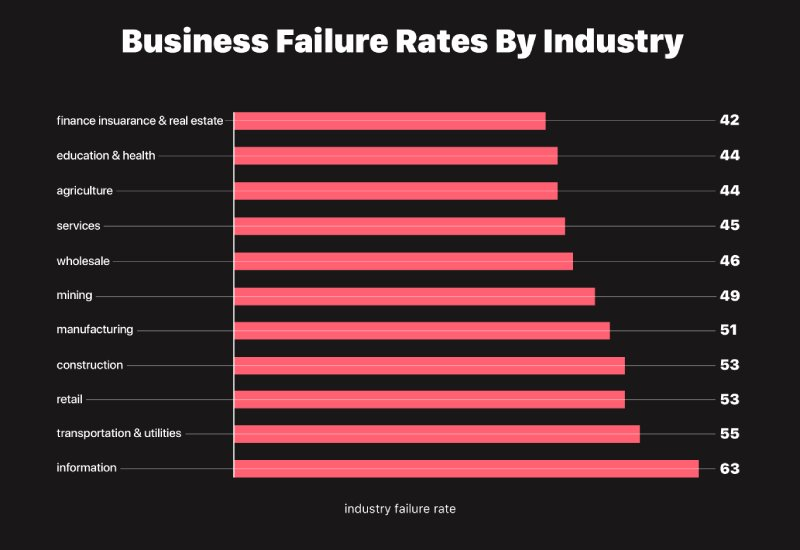
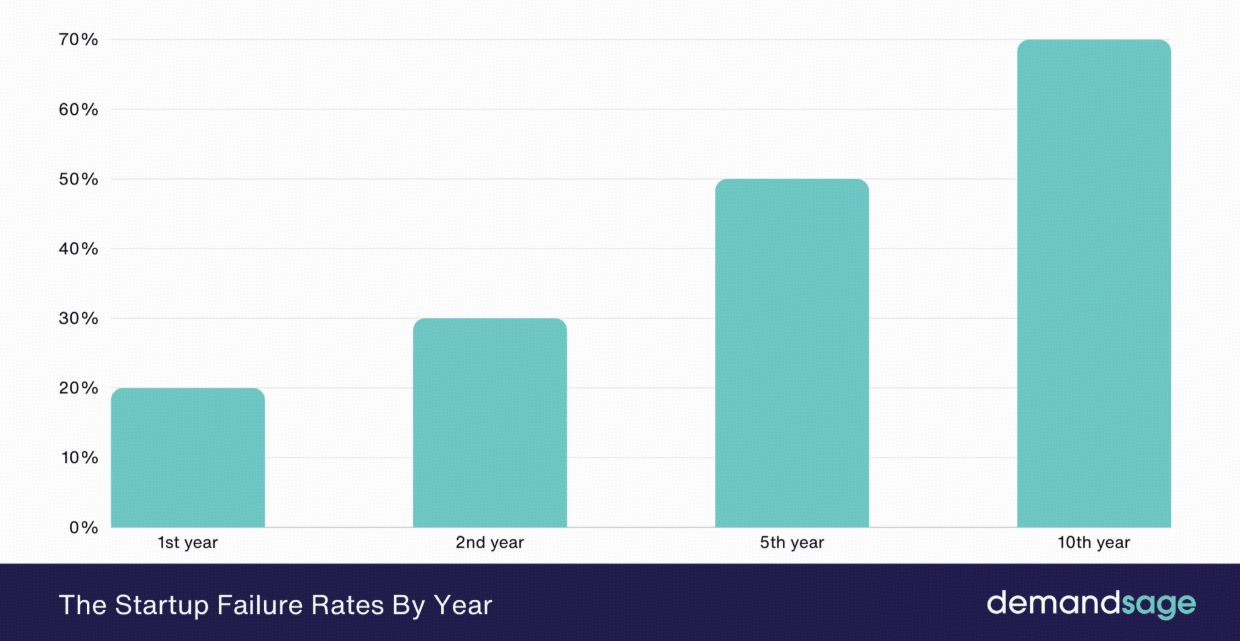
When starting out, it's easy to fall into familiar traps. Recognizing and avoiding them can save you time, energy, and frustration.
One of the biggest mistakes is over-focusing on the product instead of the value it brings to users' lives. Even the best features won't matter if no one feels the impact.
Another common pitfall is neglecting feedback from early users. These first voices are your best growth compass — they'll tell you what resonates and what doesn't.
Here are the top mistakes to watch out for:
- Ignoring Negative Feedback: It can blind you to valuable insights.
- Trying to Sell to Everyone: Not every person is your customer; focus on your ideal profile.
- Overestimating the Product's Appeal: Ensure it truly solves a problem that matters.
Being mindful of these early-stage mistakes can dramatically increase your odds of joining that 10% of startups that succeed — faster, smarter, and more sustainably.

source: SpdLoad
Your First 10 Customers Are Closer Than You Think
Starting your customer base can feel daunting. Yet, the journey is more accessible than it appears. A massive 84% of B2B buyers (image from and data valified by Lead Forensics) start their purchasing process through a referral, underscoring the power of trust and network.
Utilize your network, engage on social platforms, and persist in your efforts. Focus on relationship-building over direct selling. This approach fosters trust and long-term customer loyalty. Your first 10 customers will likely emerge from these connections.
Remember to adapt and learn from each interaction. Your strategies will evolve, increasing their effectiveness. Stay committed to your goals, and soon, you'll reach your initial customer milestone.

Let's Get Down to It — How Lev8 Helps You Find People Faster
Lev8 is specifically designed to eliminate the manual effort in early-stage GTM, enabling you to find people faster and smarter.
| Task | Manual (Without Lev8) | Automated (With Lev8 AI Assistance) | Use Cases |
|---|---|---|---|
| Warm Lead Discovery | Time-consuming manual LinkedIn searches. | AI scans your network to map warm introductions instantly. | Connect with a target company's COO via an ex-colleague. |
| Investor Mapping | Asking investors for names one-by-one. | Auto-scans investor LinkedIn/email networks to detect shared connections in specific industries (e.g., LegalTech). | Turn invisible investor relationships into high-quality warm leads. |
| Community Tracking | Manually monitoring Reddit/Slack feeds for keywords. | AI auto-scans social channels, surfacing active users discussing pain points (e.g., "demand gen automation"). | Perfect blend of Social selling and Lead generation. |
| Conversion Rate | ~5–10% from cold/lukewarm leads. | 2–3x higher warm lead conversion rate. | Focus time on high-intent leads, not volume. |
Embrace this hybrid approach. Leverage your personal connections and amplify them with powerful AI assistance to reach your first 10 software sales milestone efficiently and at $0 cost.
❓ FAQ: Give Every Startup A Growth Shot
How long does it take to get your first 10 customers?
- Most founders take between 1–4 weeks.
- Consistent outreach + feedback loops speed up results.
What if my friends and family don't buy?
- Ask for referrals or honest feedback.
- They may connect you to paying customers.
Can I get my first users without a website?
- Yes! Focus on social selling, community chats, and DMs.
- A site helps later for credibility, but isn't necessary early on.
How do I know if my product solves a real problem?
- Listen to repeat users.
- Watch for organic referrals.
- Check if feedback drives consistent content creation or mentions.
How can AI help me find people faster?
- Tools like Lev8 analyze your network, visitors, and community data.
- AI shortens the time between interest and conversion.
Get early access to Lev8 here: https://form.typeform.com/to/dsMu4Whd?typeform-source=lev8.com